
Lymphatic Drainage
A gentle technique to reduce swelling and support recovery, offered at Peak Physiotherapy in Mayville, Pretoria.
- No referral needed
- Medical aid billed directly
- Full-hour assessment
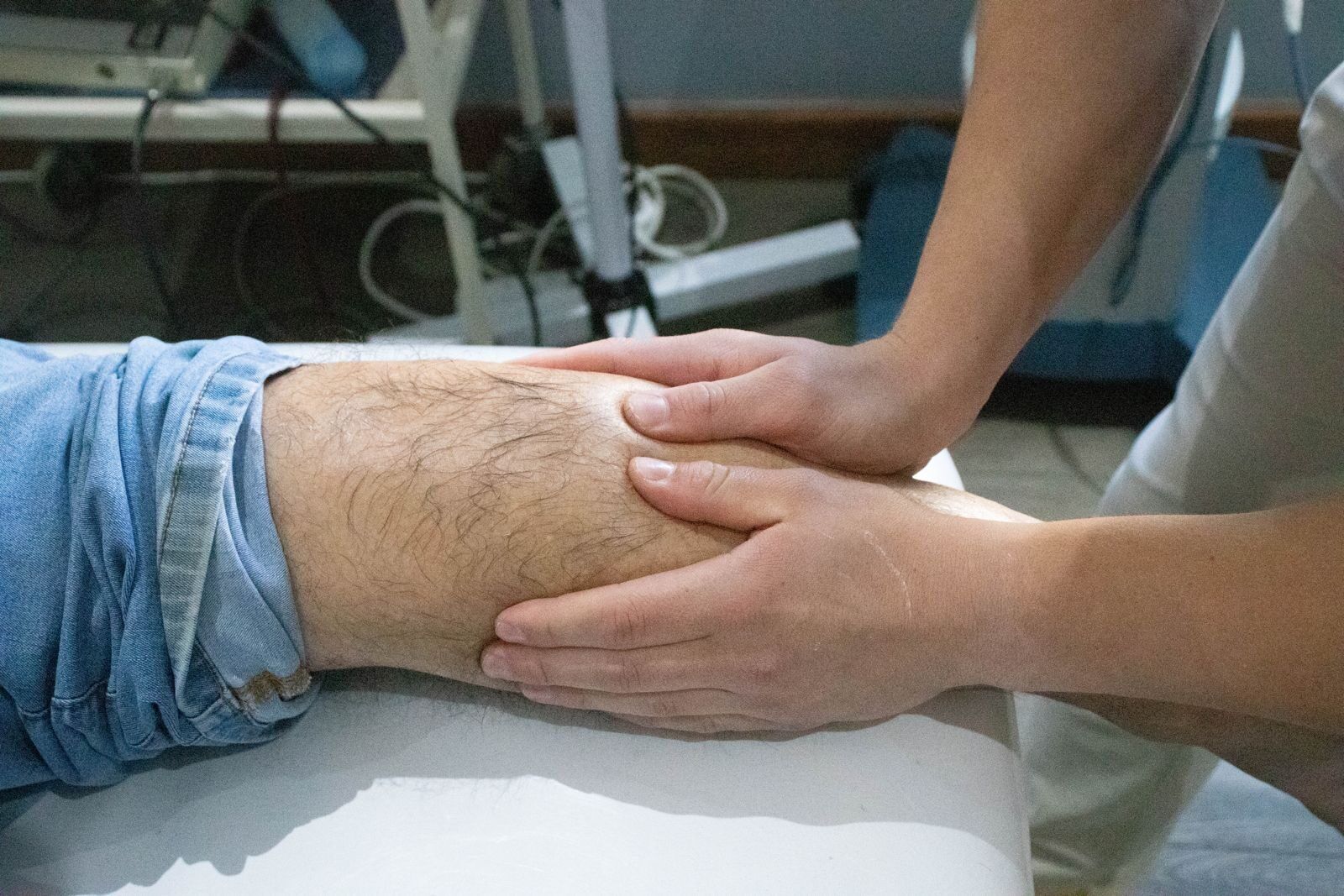
Introduction
Swelling after surgery or injury can be one of the most frustrating parts of recovery. It can make movement feel heavier and harder than expected, slow your progress, and leave you wondering whether it's normal or something to be concerned about. Lymphatic drainage is a gentle, evidence-based physiotherapy technique used to help the body move excess fluid out of swollen or congested areas.
Your lymphatic system plays a crucial role in fluid balance, immune function, and removing waste products from tissues. Unlike the heart and blood vessels, it doesn't have its own pump. It relies on movement, muscle activity, breathing, and external pressure to keep fluid moving. At Peak Physiotherapy we combine manual techniques, guided movement, and mechanical compression to support that process.
Being minutes from Life Eugene Marais Hospital, this is a convenient option if you're managing swelling after surgery there or at another nearby facility. Lymphatic drainage is often included as part of a broader post-surgical rehabilitation plan rather than treated on its own.
Where Did Lymphatic Drainage Originate?
Manual lymphatic drainage was developed in the 1930s by Dr Emil Vodder, a Danish physiotherapist working in France, after he noticed that patients with chronic colds often had swollen lymph nodes and responded well to gentle, specific manual techniques applied to the neck. His method, now widely known as the Vodder technique, was refined over subsequent decades and became foundational to how lymphatic drainage is taught and practised internationally.
The technique has since been adapted and validated for use well beyond its original scope, particularly in post-surgical recovery, sports rehabilitation, and the management of chronic lymphoedema. Modern physiotherapy practice combines the original manual approach with active movement and, where appropriate, mechanical compression, reflecting a broader evidence base than existed when the technique was first developed.
How Lymphatic Drainage Works
In session, we combine three elements, each targeting a different part of how the lymphatic system moves fluid:
- Light effleurage and lymph-specific massage to encourage superficial fluid flow. This is not deep tissue work; pressure is rhythmic and very light
- Active range-of-motion and muscle-pumping movements, which are essential for maintaining results between sessions and stimulating central lymphatic flow
- Graduated pneumatic compression (for arms and legs, where appropriate) to apply controlled, sequential pressure that mimics natural lymphatic flow and helps clear distal swelling
Evidence & Research Support
Research on combined lymphatic drainage techniques generally supports their use for managing swelling, particularly post-surgically and in chronic lymphoedema, when movement and muscle activity are included alongside manual technique, not as a substitute for either.
As with most physiotherapy modalities, individual response varies, which is why lymphatic drainage is used as part of a broader assessment and treatment plan rather than as a standalone fix.
Individual response to lymphatic drainage varies depending on the underlying cause of swelling, how long it's been present, and how consistently active movement is maintained between sessions. This is why it's offered as part of a broader assessment rather than a fixed course applied identically to every patient.
Benefits of Lymphatic Drainage
When it's the right fit for your presentation, lymphatic drainage offers several benefits within your broader recovery plan:
- Reduced swelling: helps clear excess fluid from congested tissue
- Eased heaviness and tightness: many patients notice a lighter, more mobile feeling in the treated area
- More comfortable movement: reduced swelling often makes active rehabilitation exercises easier and less painful
- Supports healing: improved fluid flow may support the body's natural recovery processes
- Non-invasive: a gentle, hands-on technique with no needles or medication involved
What to Expect During a Session
Lymphatic drainage sessions are calm and gentle, and many patients find them genuinely relaxing rather than uncomfortable.
- Very light, rhythmic pressure applied in specific directions that follow the body's lymphatic pathways
- Where appropriate, guided active movement to help maintain fluid flow between sessions
- Possible use of pneumatic compression equipment for arm or leg swelling, applied alongside manual technique
- No soreness afterward. Most patients feel lighter and more comfortable immediately following treatment
Conditions & Clinical Uses
The aim is to reduce swelling, ease the heaviness that often comes with it, and help you move and exercise more comfortably during rehabilitation, supporting the rest of your treatment plan rather than working in isolation.
Post-operative swelling
(orthopaedic or general surgery) is one of the most common applications, particularly following knee, hip, or shoulder surgery.
Persistent limb swelling after an acute injury
can be addressed alongside standard injury rehabilitation, helping restore comfortable movement sooner.
Sports-related swelling or repeated joint effusions
benefit from combining lymphatic drainage with broader sports physiotherapy treatment.
Lymphoedema management
often forms part of a longer-term approach for chronic lymphoedema, alongside ongoing self-management strategies.
Poor circulation and stiffness following a period of immobilisation
, for example after a cast or prolonged bed rest, often responds well when reduced movement has affected normal fluid flow.
How Lymphatic Drainage Fits into Your Treatment Plan
Lymphatic drainage on its own doesn't address the underlying strength, movement, or healing factors that support full recovery. That's why it's applied within a physiotherapy session that includes:
- A physical assessment to understand the cause and extent of your swelling
- Active movement and exercise to maintain and build on drainage results between sessions
- Coordination with your surgeon or referring doctor where relevant, particularly post-surgically
- Education on positioning, movement, and self-management strategies to support ongoing fluid flow
Lymphatic drainage adds a specific tool for managing swelling. The rest of the session addresses everything else.
Is This the Right Treatment for You?
The best way to know is a proper assessment, not guessing based on what you've read here.
Frequently Asked Questions
Is lymphatic drainage therapy painful?
No. Treatment is very gentle and should never be painful. Most patients find it deeply relaxing.
Is lymphatic drainage the same as a regular massage?
No. It uses much lighter, rhythmic pressure specifically aimed at lymphatic pathways, rather than the deeper pressure used in general or sports massage. The technique and goal are quite different, even though both are hands-on.
Is manual lymphatic drainage the same technique Dr Vodder developed in the 1930s?
The core manual principles are the same, but modern practice has evolved to combine Vodder's original technique with active movement and, where appropriate, mechanical compression, reflecting decades of additional research and clinical refinement since.
Do the compression machines replace manual technique?
No. Compression supports drainage but works best when combined with manual technique, guided movement, and clinical oversight, it's one part of the treatment, not a replacement for the others.
Can it help after surgery?
Yes. It's commonly used after surgery to help manage swelling and support safe, steady rehabilitation, often alongside a broader post-surgical treatment plan.
Do I need a referral for lymphatic drainage?
No. You can book directly. If you've had surgery, bringing your surgeon's notes or protocol helps us tailor the approach, though it's not required to start.
How many sessions will I need?
This depends on the cause and severity of the swelling. Acute post-surgical swelling may need a short focused course, while chronic lymphoedema management is typically ongoing.
Does medical aid cover lymphatic drainage?
It's typically billed as part of your physiotherapy session, so it's generally covered the same way physiotherapy is under most medical aid plans. Check your specific plan's physiotherapy benefit for detail.
Is this treatment safe?
Yes, when performed by a trained physiotherapist. Certain conditions (such as active infection or specific cardiac or circulatory conditions) require caution, which is screened during your assessment.
Can lymphatic drainage help with swelling that isn't from surgery?
Yes. Persistent swelling from injury, prolonged immobilisation, or circulation issues can also benefit, alongside addressing the underlying cause.
How soon after surgery can I start lymphatic drainage?
This depends on your specific procedure and surgeon's protocol. We'll coordinate timing appropriately as part of your broader post-surgical rehabilitation plan.
Will the swelling come back after treatment stops?
For acute post-surgical or post-injury swelling, once the underlying healing process completes, swelling typically resolves and doesn't require ongoing treatment. Chronic lymphoedema is different and generally needs an ongoing management approach.
Can I do anything at home to support lymphatic drainage between sessions?
Yes. Active movement and muscle-pumping exercises are an important part of maintaining results between sessions, and your physiotherapist will guide you on what's appropriate for your situation.
Is lymphatic drainage suitable for children?
It can be, depending on the situation. Get in touch to discuss your child's specific circumstances before booking.
Peak Physiotherapy · Mayville, Pretoria
Ready to get moving again?
Book an assessment and find out if lymphatic drainage is right for you — no referral needed.